Focused arrival windows
Useful updates and clear arrival timing.
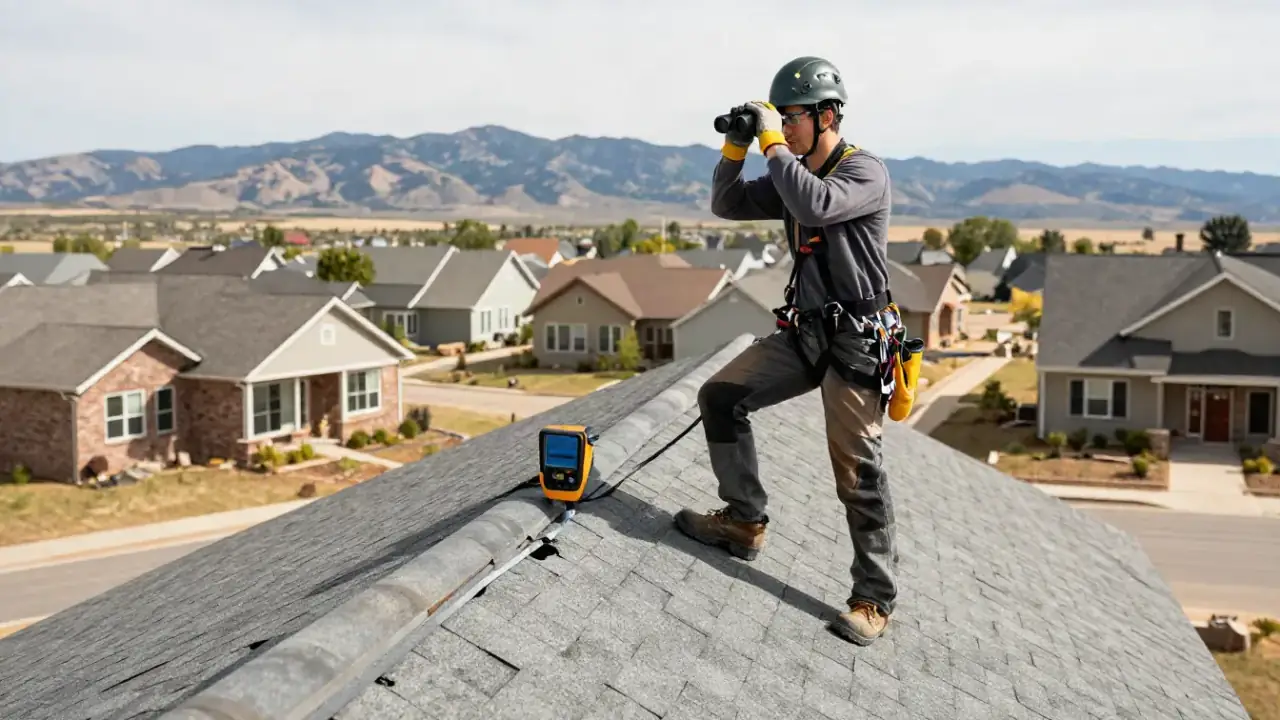
Tile sheds most water, but cracked tiles, slipped courses and worn underlayment let it through. We trace the leak, replace what is broken and restore the layers underneath.
Useful updates and clear arrival timing.
Review the approach and price before deciding.
Equipped vehicles and respectful cleanup.
Neighbors serving neighbors with follow-through.
Every visit starts with a clear look at what is happening and ends with a walkthrough of what was done.
We look for cracked, chipped and slipped tiles and check the ridge, hips and valleys.
Where needed we lift tiles to see the condition of the underlayment, which is the roof's real waterproofing layer.
Walls, chimneys, valleys and penetrations are checked for gaps and worn metal.
We source replacement tiles that match your profile and color as closely as available.
Share what is happening and receive a clear next step from the local team.
Most of a tile roof's waterproofing is not the tile. It is the underlayment and flashing beneath it. When a tile cracks or slips, water reaches those layers, and a leak can show up far from where the damage actually is.
Tile is also heavy and brittle, so walking it the wrong way causes new damage. We limit foot traffic, lift only what we have to and put every tile back the way it belongs.
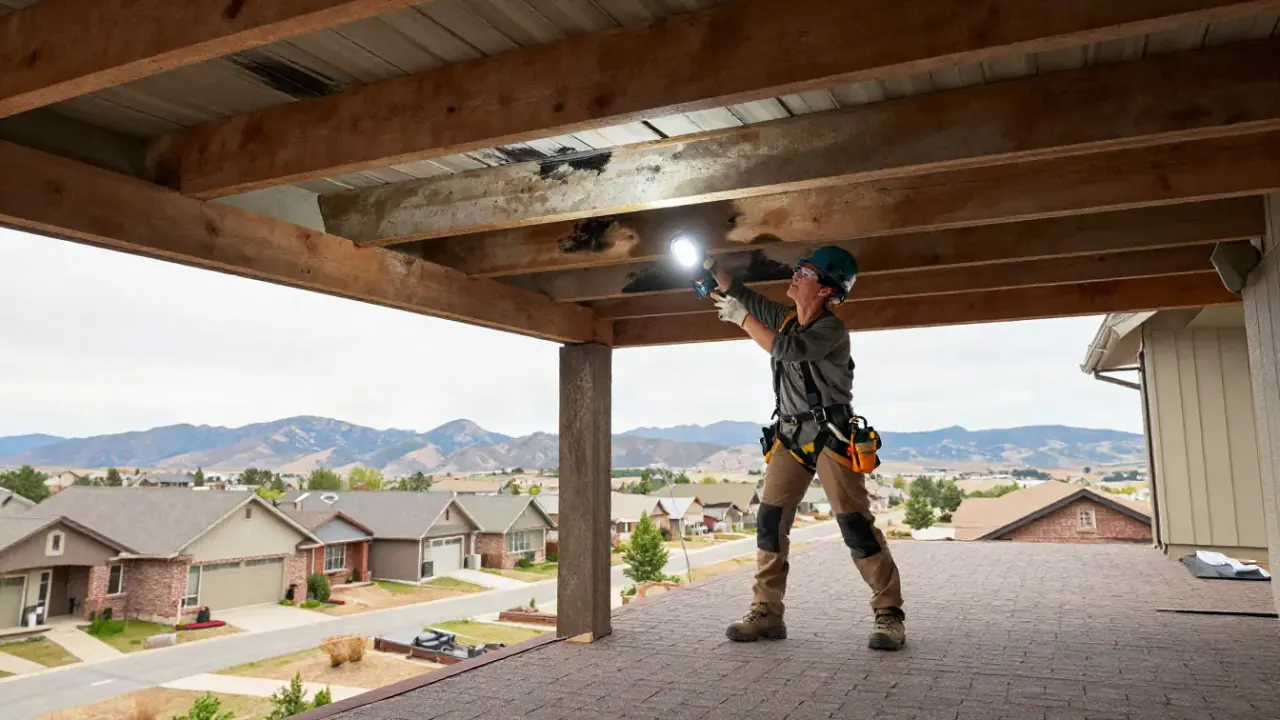
We check the tile surface, ridge, valleys and flashing and photograph problem areas.
We follow the water path from the interior stain to where it enters the roof system.
Only the tiles needed are lifted so we can see the underlayment and flashing.
Damaged underlayment and flashing are repaired and tiles are replaced or reset.
We confirm everything is secure and walk you through what was done.
Cracks are not always visible from the ground, and leaks may not show for weeks.
Slipped tiles are a sign the underlayment below may be exposed.
Leaks in tile roofs often start well away from where the stain appears.
Tile is durable, but the Front Range puts it through conditions that expose its weak points.
Hail is the leading cause of cracked tile along the Front Range.
Water that gets into small cracks freezes, expands and widens them.
Snow load and sliding snow can shift tiles and stress ridge caps.
These are the tile roof problems we are called about most.
A single broken tile can let enough water through to soak the underlayment.
When the layer beneath the tile wears out, leaks can start even though the tile looks intact.
Flashing at transitions is where tile roofs most often leak.
Cost depends on how many tiles are affected, how available matching tile is and what we find under them. You get a written scope and price before work starts.
Isolated repairs cost less than larger sections of damage.
Discontinued or specialty profiles can take longer to source.
Steep or complex roofs require more time and safety setup.
Yes. A cracked tile gives water a direct path to the underlayment. If the underlayment is also worn, a leak can develop quickly.
Often it is. Tile does most of the visible work, but the underlayment is the waterproofing layer. We check it when we lift tiles.
We try to source tiles that match your profile and color as closely as possible. If an exact match is not available, we will explain the options.
We serve Littleton and nearby areas including Columbine Valley, Ken Caryl and Downtown Littleton. Call to confirm coverage for your address.
Not seeing your question? Our local team can help you understand urgency, scheduling and what to expect.
Ask the local team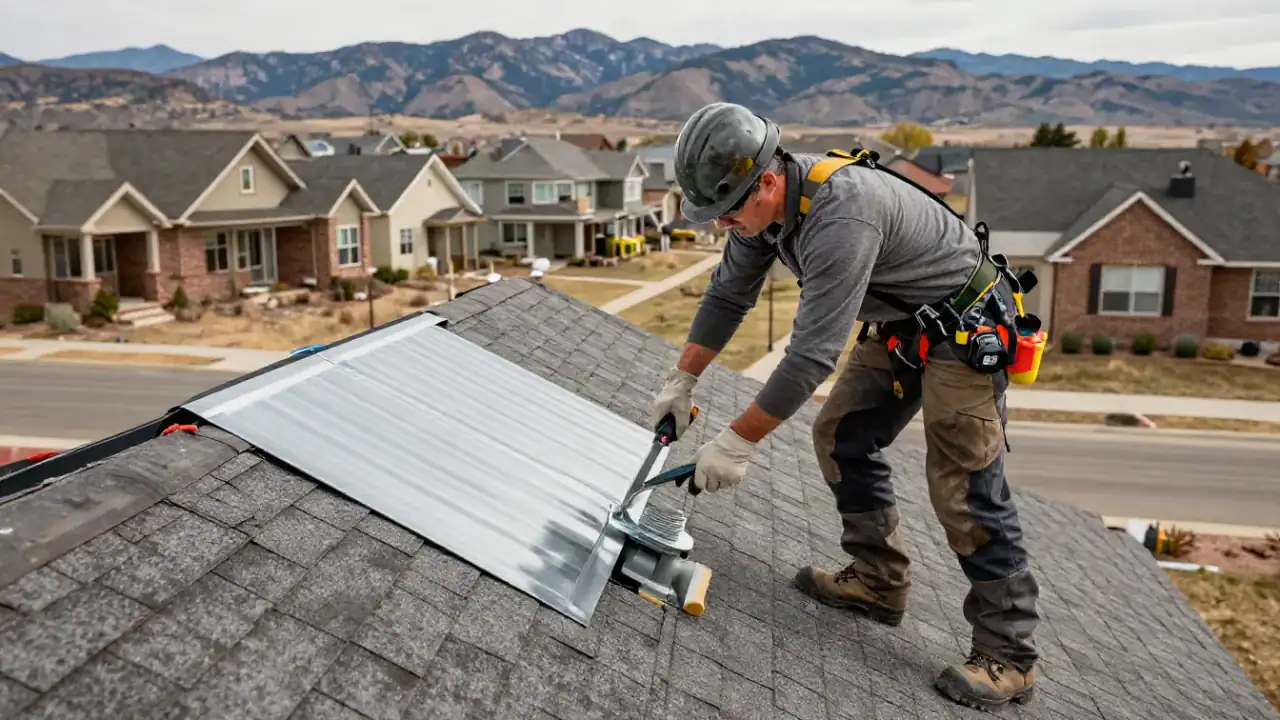
Repairs flashing around chimneys, vents and walls, where many roof leaks start.
View serviceFinds hidden leaks before they cause damage, using moisture readings, thermal imaging and a careful inspection.
View serviceTemporary tarping that keeps rain and snow out after storm damage until permanent repairs are made.
View service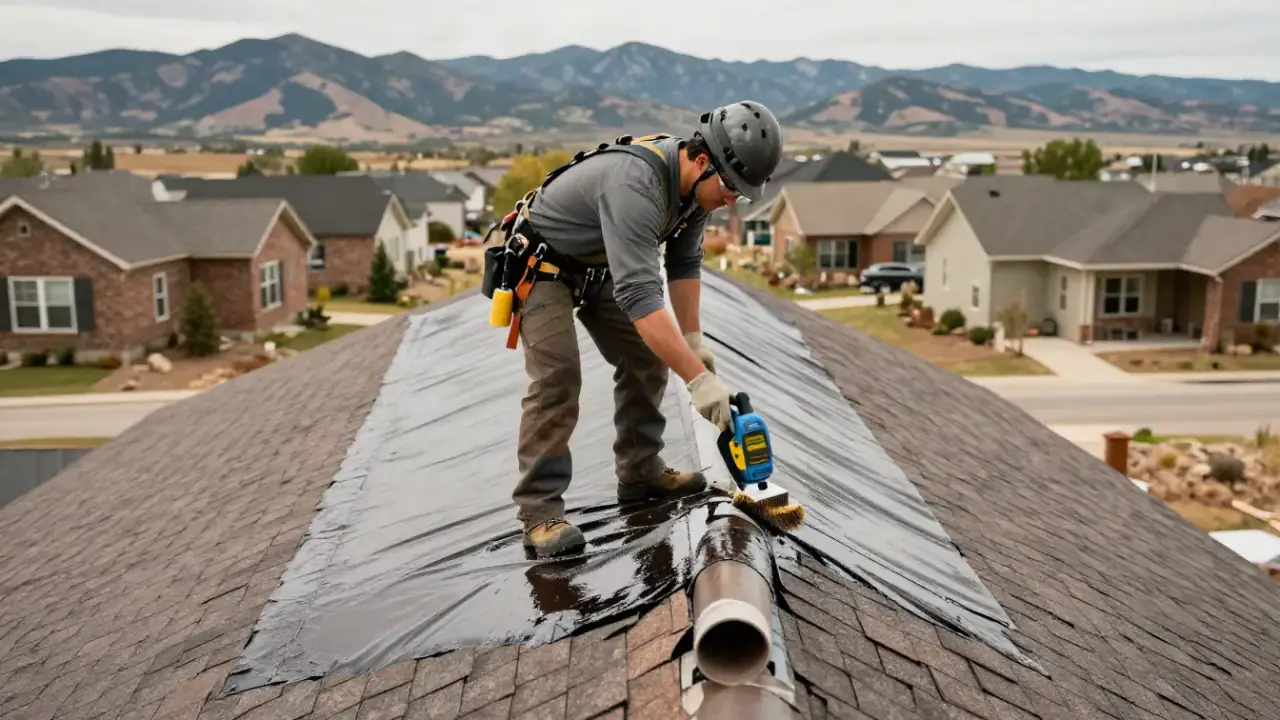
Adds a protective waterproof layer that helps your roof shed water and resist leaks.
View serviceWe invite you to reach out for any roof leak repair needs. Our team is available to assist you and typically responds within 24 hours.
A tile roof inspection can include cracked or displaced tiles, ridge and valley details, flashing, and the underlayment beneath the visible surface. Tiles should be handled carefully, and the repair should address the source of water entry rather than replacing a tile without checking adjacent details.
Related service: roof leak detection. We serve Littleton and nearby communities; see our service areas for the current coverage list.